
The allegations regarding the reorganisation of railway jurisdictions are misleading and not based on factual position.
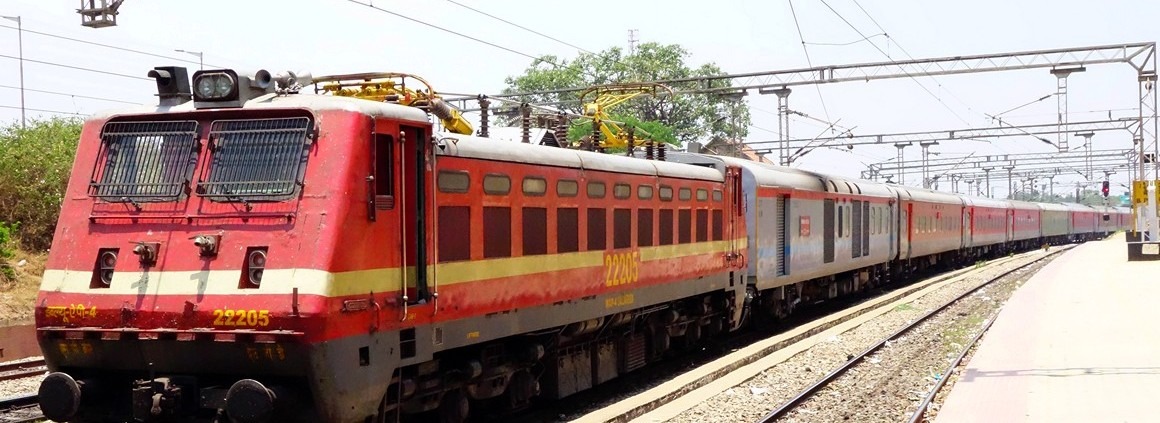
The restructuring involving the creation of the Rayagada Division and adjustments linked to the new South Coast Railway zone has been undertaken purely on operational, administrative, and service efficiency considerations.
It is important to place the correct facts on record:
• The Palasa–Ichchapuram section (50 km) comprises seven stations—Palasa, Summadevi, Mandasa Road, Baruva, Sompeta, Jhadupudi, and Ichchapuram.
• All seven stations are located within Srikakulam district of Andhra Pradesh. Therefore, their inclusion under the South Coast Railway does not involve any transfer or loss of territory from Odisha. Any claims to the contrary are incorrect and misleading.
• These stations are small to mid sized passenger handling stations with no major freight loading, and therefore there is no adverse impact on the revenue of East Coast Railway.
• Railway operations remain seamless across zones. Freight movement continues uninterrupted, and zonal jurisdiction does not affect through traffic.
• Passenger services remain completely unaffected, with all existing train services continuing unchanged in route, frequency, and schedule.
• This adjustment is a technical and functional rationalisation aimed at improving operational efficiency and administrative convenience.
It is also pertinent to note:
• The Kottavalasa–Kirandul (KK Line) section (442 km), despite spanning across Andhra Pradesh and Chhattisgarh, continues to remain under the Rayagada Division of East Coast Railway, reflecting that jurisdiction is guided by operational requirements rather than state boundaries.
• The Rayagada Division has been created under East Coast Railway, strengthening the zone’s administrative presence.
• Continued focus on railway infrastructure expansion, modernisation, and service improvement reflects sustained commitment towards the region.
The restructuring is a well considered operational measure, and interpretations suggesting otherwise do not reflect the factual and functional framework of railway administration.
About the Author